

How to Buy Trustpilot Reviews Safely in 2026: A Complete Guide

How to Buy Trustpilot Reviews Safely in 2026: A Complete Guide
The High-Stakes Game of Reputation
In the digital commerce landscape of 2026, Trustpilot has cemented itself as the ultimate arbiter of consumer trust. A difference of just 0.5 stars can determine whether a customer clicks “Buy” or bounces to a competitor. For new businesses or those hitting a rough patch, the temptation is overwhelming: Can you just buy your way to a 5-star rating?
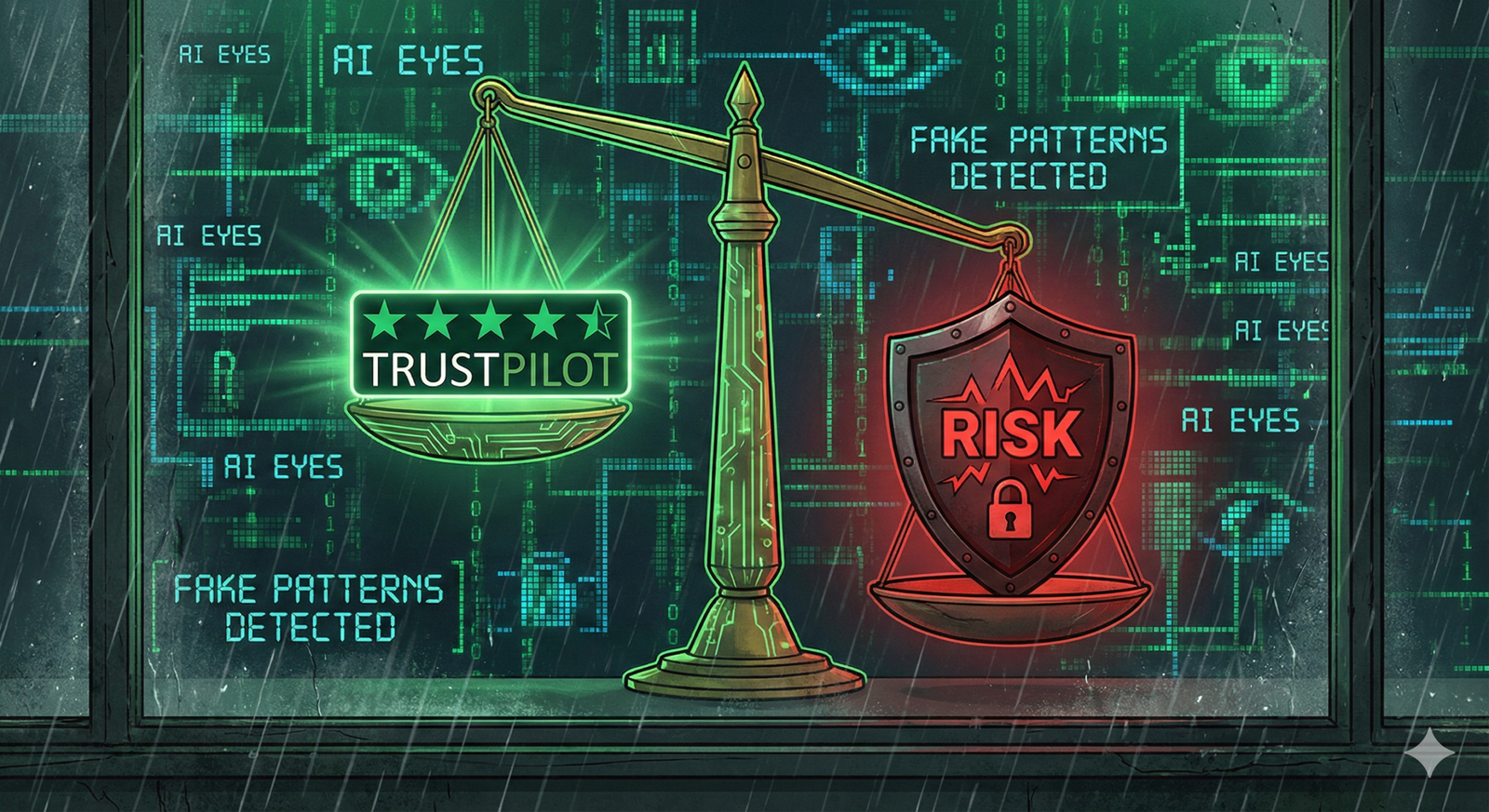
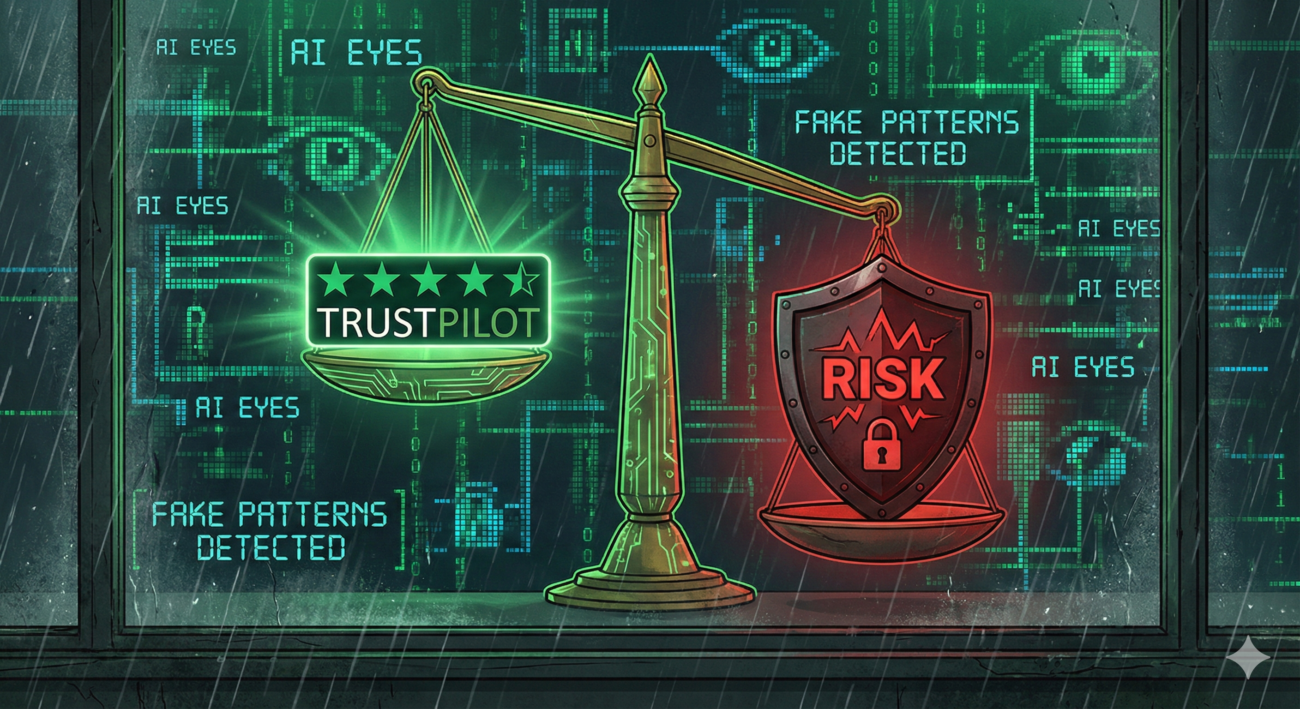
The short answer is yes, a market exists. The long answer is that in 2026, it is more dangerous than ever. Trustpilot’s “Canvas” AI fraud detection system has evolved, flagging suspicious patterns with ruthless accuracy. If caught using cheap bots, your business doesn’t just lose reviews; it gets slapped with a permanent red “Consumer Warning” badge—a death sentence for conversion rates.
This guide explores the safe methods of reputation management provided by trusted services like BestReviewStoreUSA. We will discuss How to Buy Trustpilot Reviews Safely, how to vet providers to ensure manual posting, and most importantly, the strategic nuances required to boost your score without triggering an audit.
Understanding Trustpilot’s Detection Algorithms in 2026
To navigate this minefield, you must understand the enemy. Trustpilot isn’t just looking for keywords; they are tracking metadata.
- Review Velocity: If you go from 0 reviews to 50 five-star reviews in 24 hours, you will be flagged instantly.
- IP & Device Fingerprinting: Reviews coming from the same IP block or device ID (even with a VPN) are deleted.
- User Profile Authenticity: Bots are easily detected. You need real human profiles, whether fresh or aged, that behave like normal users.
- Geo-Location Mismatch: If your business is in London but 90% of reviews come from servers in Bangladesh or the Philippines, the algorithm knows.
Step 1: Vetting the Provider (Avoid “Fiverr” Bot Farms)
The biggest mistake business owners make is buying cheap, automated reviews. “10 reviews for $2” is a trap. These are almost always bot-generated. To buy safely, you need Trusted Reputation Agencies like BestReviewStoreUSA that use real human networks.
Checklist for Vetting a Provider:
- Do they use Real Human Accounts? Even if the accounts are “fresh” (newly created), they must be registered and managed by real humans, not scripts. Providers like BestReviewStoreUSA ensure every review is manually posted to bypass AI detection.
- Is the posting Manual? Automated API posting is an instant red flag. Ensure your provider manually types and posts each review from unique devices.
- Do they offer a Replacement Guarantee? Reviews can sometimes be filtered. A reliable provider should offer at least a 30-day replacement guarantee to protect your investment.
Step 2: The Strategy of “Drip Feeding”
Safety lies in patience. You cannot rush reputation.
- The Method: Instead of blasting your profile with reviews, instruct your provider to “drip feed” them.
- The Ratio: Aim for a natural growth curve. If you usually get 2 organic reviews a week, do not buy more than 1-2 extra per week.
- Randomization: Ensure reviews are posted at random times of the day and on different days of the week. Patterns are easy to detect; chaos is not.
Step 3: Geo-Targeting and Relevance
If you are a local plumbing business in New York, a generic review from a profile in California looks suspicious.
- Regional Matching: Ensure the reviews come from IP addresses and profiles located in your actual service area.
- Niche Relevance: High-quality providers will tailor the content to match your specific service, making the activity look organic.
The Risks: What Happens If You Get Caught?
In 2026, Trustpilot doesn’t just delete fake reviews; they punish the brand.
- The Consumer Warning Badge: A large red banner is placed at the top of your profile stating, “We have detected misused reviews on this page.” This stays for months or years.
- SEO Tanking: Trustpilot pages often rank high on Google. If your Trustpilot page is flagged, your organic search traffic often suffers as Google de-ranks untrustworthy sites.
- Legal Action: In some jurisdictions, regulatory bodies (like the FTC in the US or CMA in the UK) are cracking down on fake review solicitation with heavy fines.
The Safer, “White Hat” Alternatives
While buying reviews is a quick fix, the only truly “safe” method is aggressive, automated solicitation of real customers.
1. Automated SMS & Email Campaigns
Use tools (like Klaviyo or Yotpo) to send a review request exactly when the customer is happiest—usually immediately after delivery.
2. Incentivized (But Disclosed) Reviews
You can offer a discount for a review, but you must be careful. Trustpilot allows you to invite customers, but you cannot demand a positive review in exchange for money. However, happy customers are more likely to respond to a nudge.
3. Review Gating (Grey Hat)
Send a pre-survey via email: “How was your experience?”
- If 4-5 Stars: Redirect them to Trustpilot.
- If 1-3 Stars: Redirect them to a private feedback form to resolve the issue internally.
- Note: Trustpilot frowns on this, but it is much harder for them to detect than buying fake reviews.
Conclusion
Knowing How to Buy Trustpilot Reviews Safely is about risk management. If you choose to go down this route, prioritize quality manual posting over cheap bots. Services like BestReviewStoreUSA offer a balanced solution with real, fresh accounts and manual submission to minimize risks.
However, the smartest business move in 2026 is to build a system that generates real reviews on autopilot. A legitimate 4.6-star rating is infinitely more valuable—and safer—than a bought 5.0 that could disappear overnight.
Protect your brand wisely. Before taking risks, ensure your foundational service quality is solid enough to sustain the reputation you are trying to build.
Frequently Asked Questions (FAQ)
1. Is it illegal to buy Trustpilot reviews?
In many countries (like the US and UK), buying fake reviews to deceive consumers violates consumer protection laws and can lead to fines. It also violates Trustpilot’s Terms of Service.
2. Can Trustpilot detect AI-written reviews?
Yes. Trustpilot’s 2026 algorithm is trained to detect the specific syntax and patterns of LLMs (Large Language Models). Human-written, manually posted reviews are safer.
3. How much do “safe” reviews cost?
Safe, manual reviews from real accounts typically cost between $7 to $15 per review. This price point allows for manual labor and real human verification (unlike $1 bots), while remaining affordable compared to premium aged accounts.
4. Can I remove the “Consumer Warning” badge?
It is very difficult. You usually have to admit guilt to Trustpilot, cease all fake review activities, and wait out a probation period of 3-12 months.
5. Do bought reviews stick permanently?
No review is guaranteed forever. However, manually posted reviews from real accounts have a much higher survival rate. Reliable providers like BestReviewStoreUSA offer a 30-day replacement guarantee to ensure stability.

About B.R.S.USA
Content creator and digital marketing specialist at BestReviewStoreUSA. Sharing insights on business growth and reputation management.
View all posts